Pressure isn’t the problem.
Stress is.
With a unique, tried and tested combination of neuroscience, psychometrics and practical behavioural skills, we help people turn pressure into performance, not stress.
Resilience: the hidden driver of high performance during change
When stress takes hold, attention is lost, pace slows and productivity declines. The result is poorer decisions, weaker collaboration and business performance suffers.
Strategy, leadership and employee experience all contribe to commercial success But it also takes people. And one of the most overlooked drivers of sustained success is how well people handle pressure without turning it into stress.
“40% of employees globally reported experiencing daily stress”
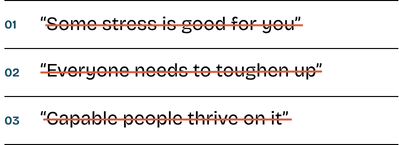
For decades, these familiar beliefs have led organisations to confuse pressure with stress.
Pressure can be a good thing, motivating teams and bringing out the best in people. But when that pressure turns into stress, the opposite is true. We help people respond to it differently.
Challenge of Change Resilience Programme
Challenge of Change will give your people the tools to think clearly, act confidently and perform at their best under pressure.
-
Each participant received insight across eight foundational resilience behaviours that shows people what’s driving their response to pressure and change.
-
Delivered in person, virtually or online, in as little as one session, participants learn a simple five-step method to:
Recognise early signs of stress
Break unhelpful thinking patterns
Respond more effectively to challenging situations
Improve performance and wellbeing under pressure
-
Focused on practical techniques that can be applied immediately.
-
For those wanting an individual approach or personalised follow up.
Grounded in evidence. Built in practice.
Challenge of Change was developed from pioneering research into stress and resilience led by our Research Partner, Dr Derek Roger, at the University of York.
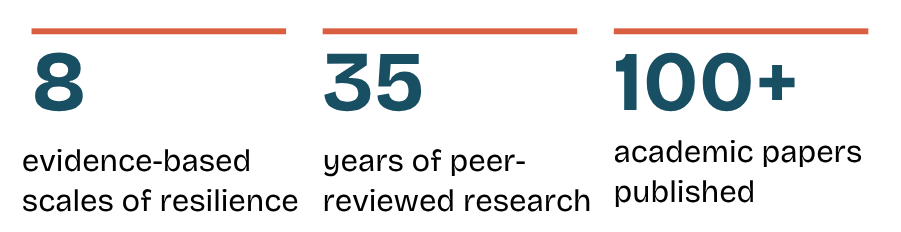
Founded on three decades of peer-reviewed research into how people respond to pressure. The programme is built upon eight evidence-based scales of resilience that show people how to adapt to avoid stress. Each scale has been validated through behavioural, physiological and repeated observational studies. The findings have been published widely in more than 100 academic papers.